Fujitsu Denso LPS-3 (8736-D961)/(8736-D962)
The Fujitsu Denso LPS-3 (8736-D961) is an industrial switching power supply designed for use in professional imaging systems, most notably Fujifilm Frontier minilabs. Manufactured in Japan in 1999, the unit delivers stable high-current DC output for lamp assemblies and precision imaging hardware.
Built to industrial standards, the LPS-3 combines robust transformer-isolated SMPS architecture with active regulation and protection circuitry, ensuring reliable operation in high-duty commercial lab environments.
Key Specifications
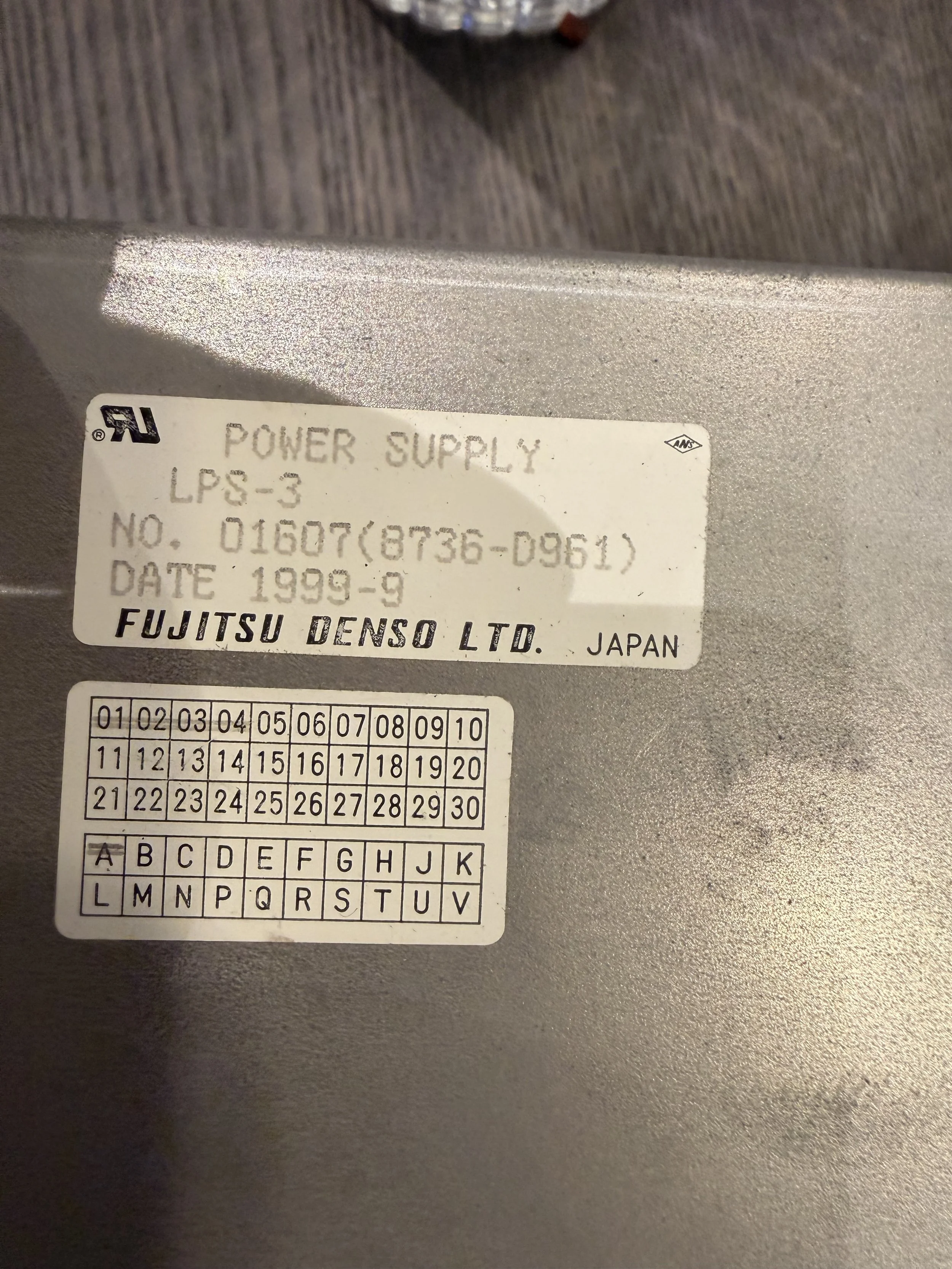
Model: LPS-3
Part number: 8736-D961
Manufacturer: Fujitsu Denso Ltd., Japan
Year: 1999+
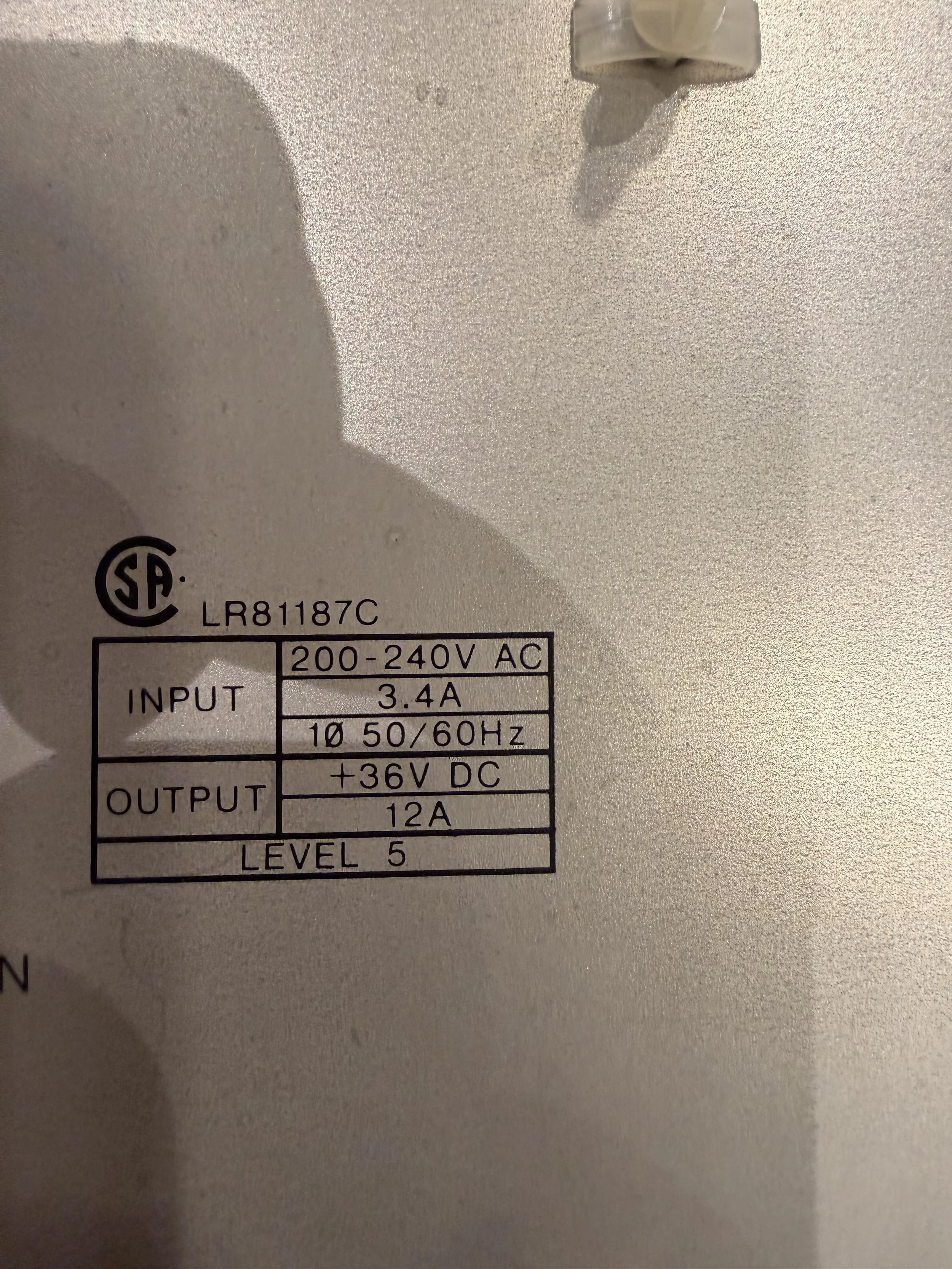
Input
• 200–240 V AC
• 50/60 Hz
• 3.4 A
Output
• +36 V DC
• 12 A (max)
Designed primarily to power Frontier lamp systems.
Design & Architecture
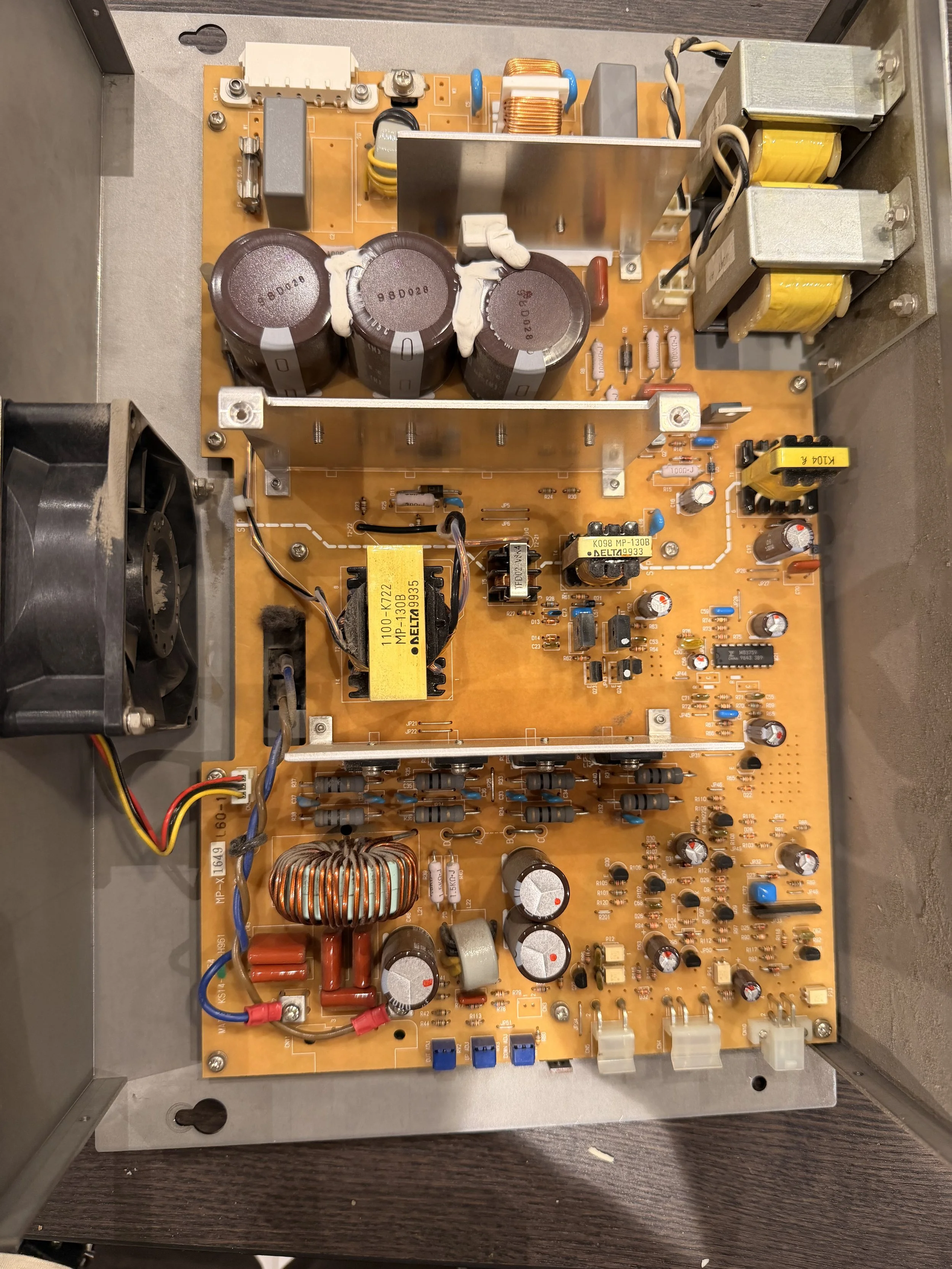
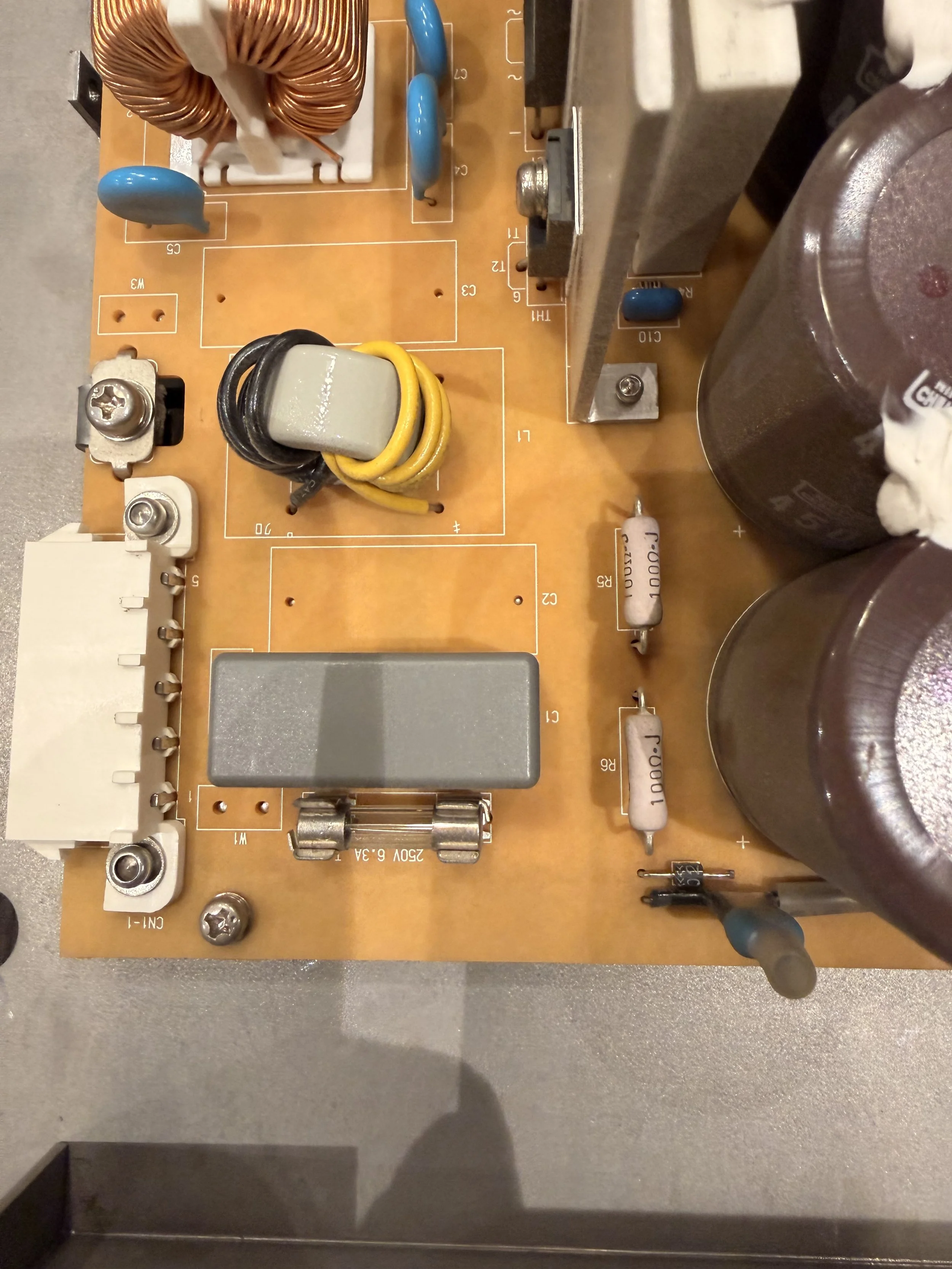
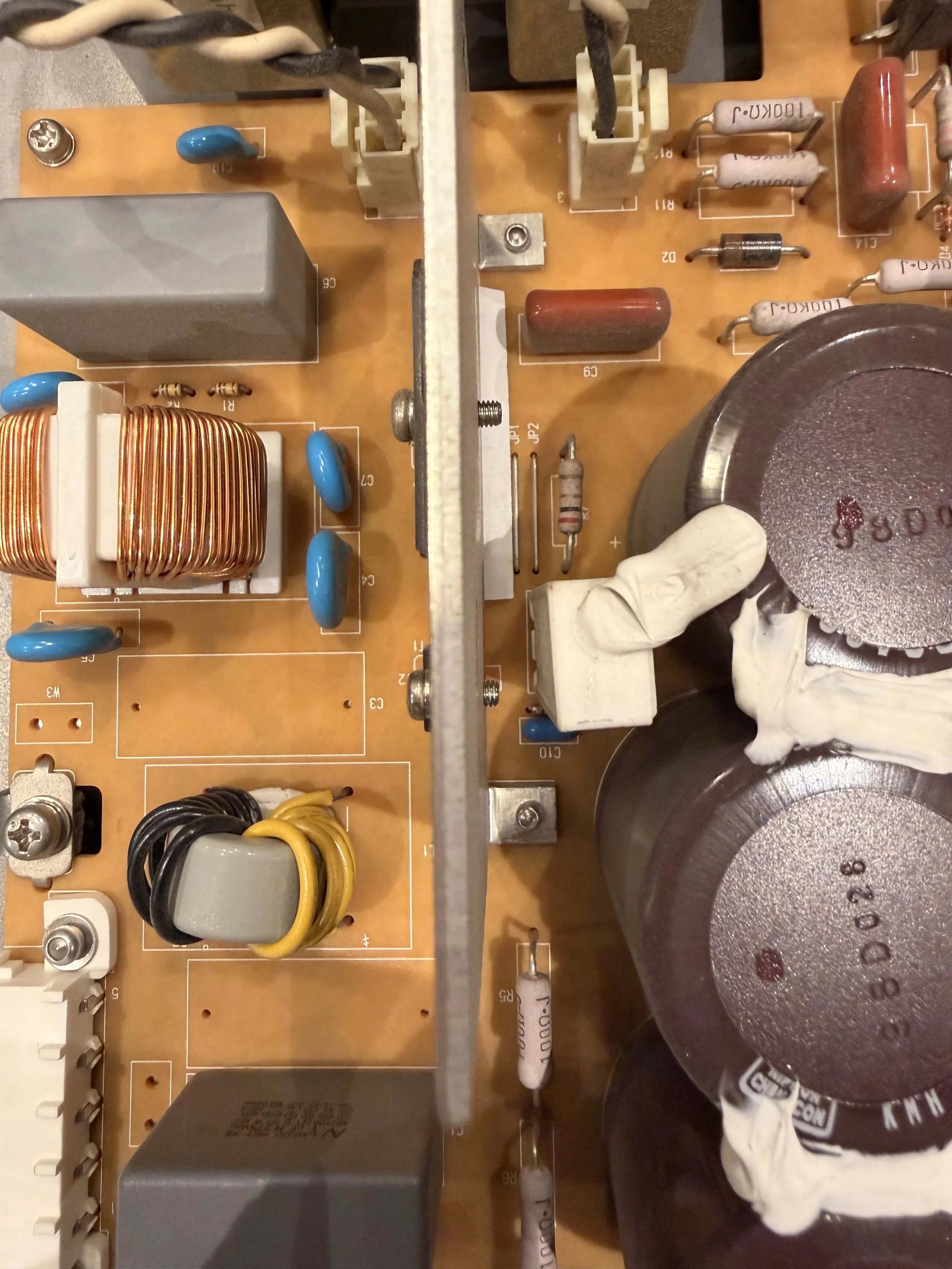
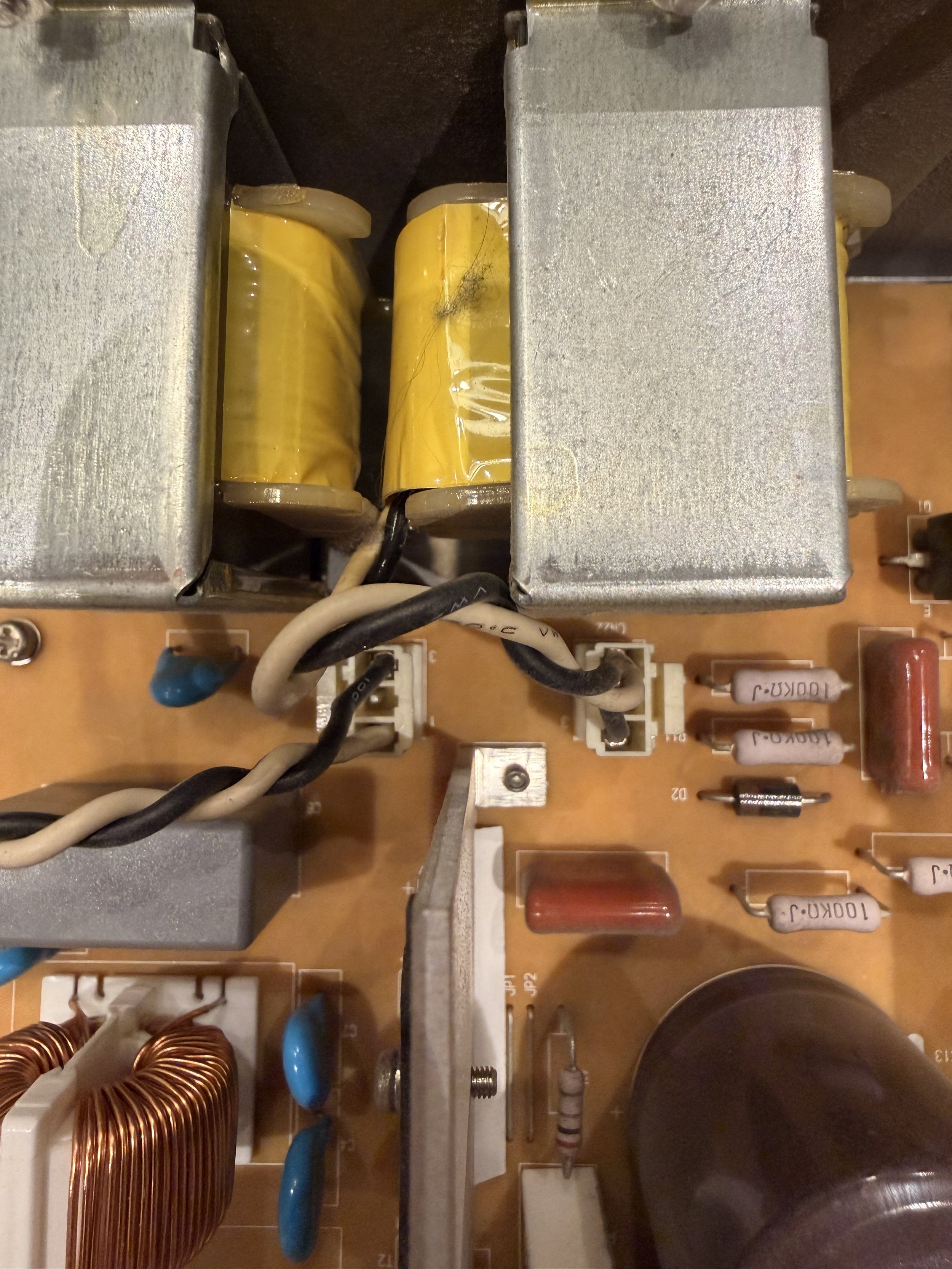
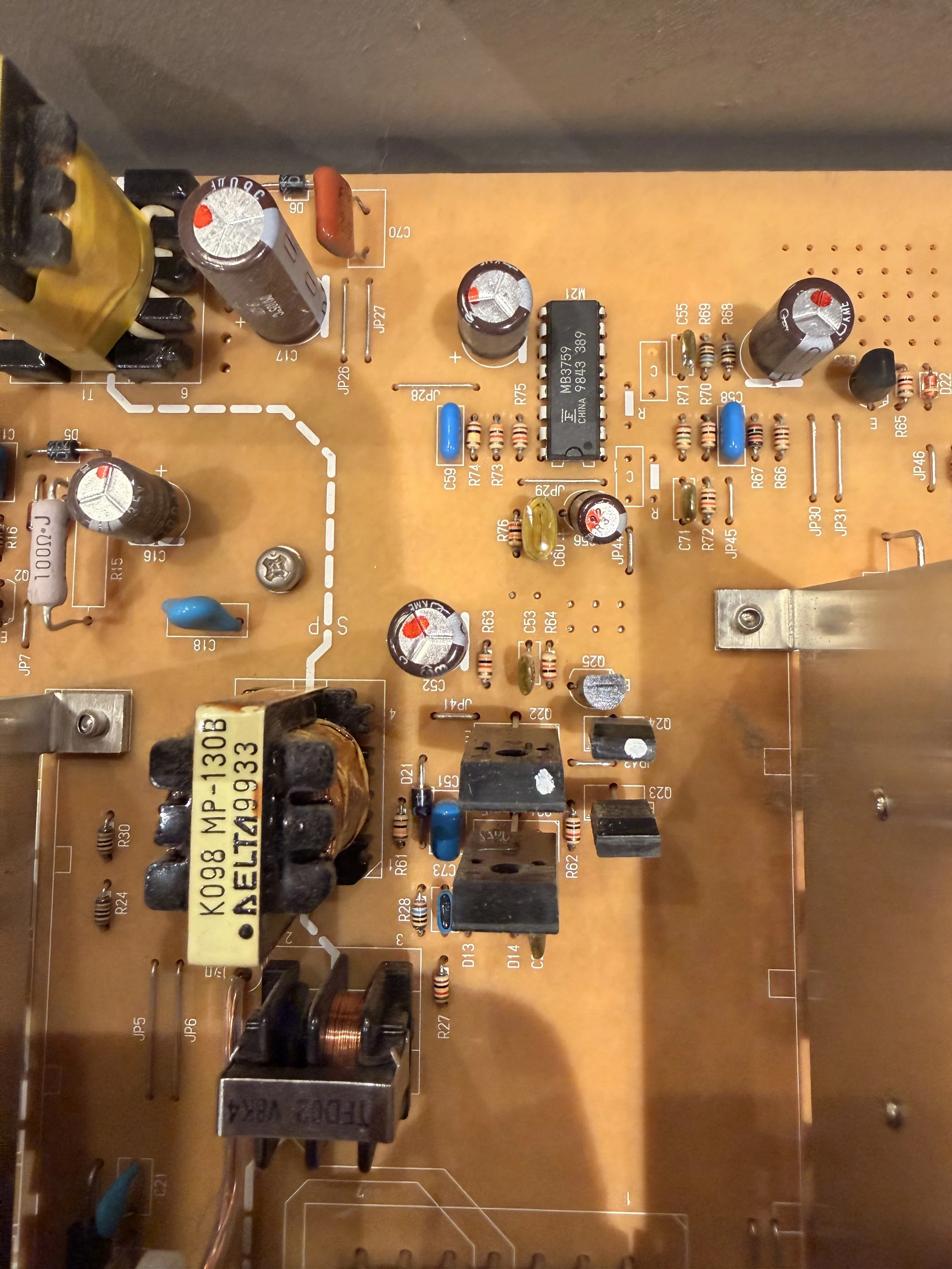
The LPS-3 uses a classic late-1990s Japanese switch-mode power supply (SMPS) design featuring:
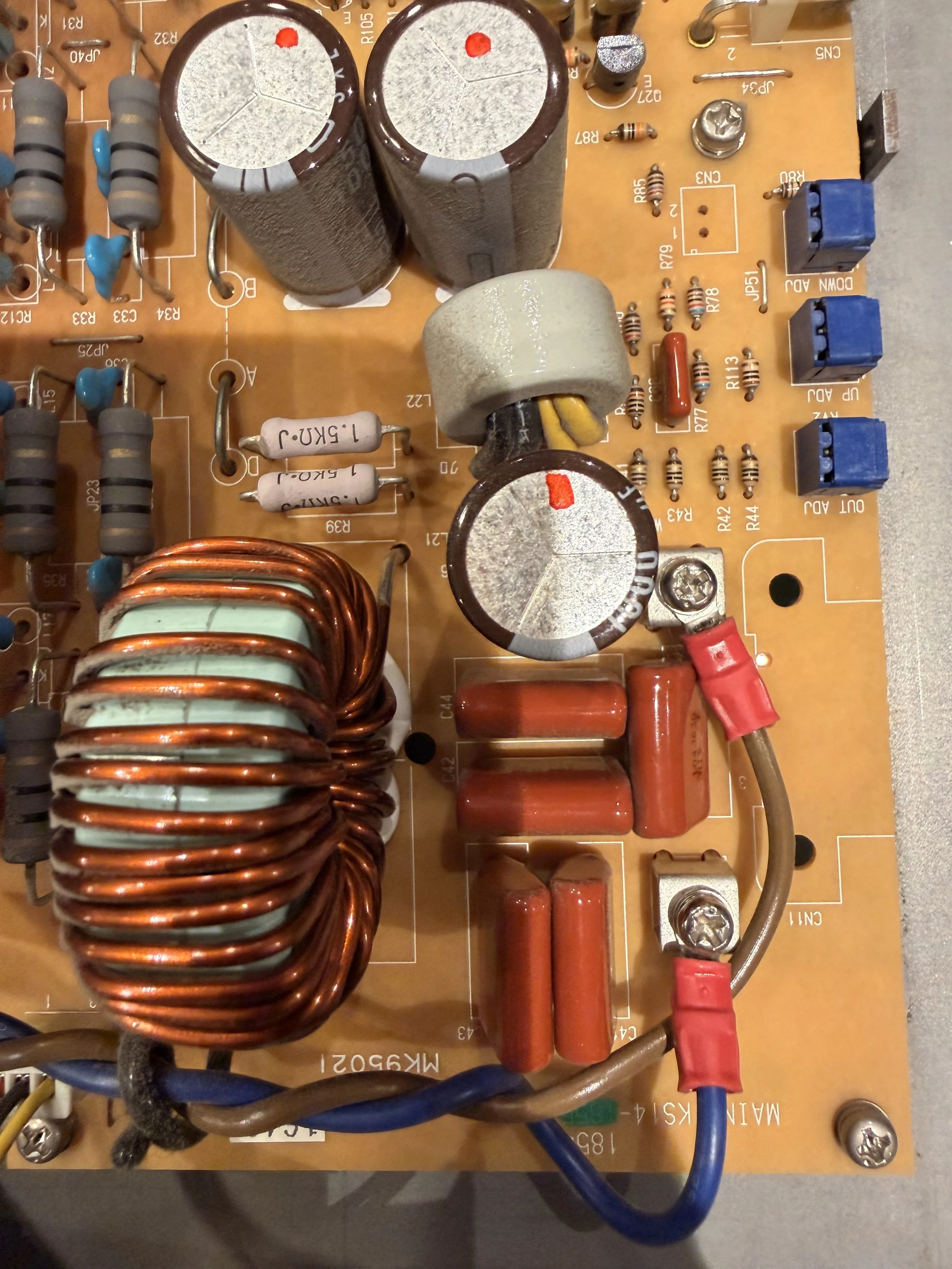
• EMI filtering and surge protection
• bridge rectification with bulk storage
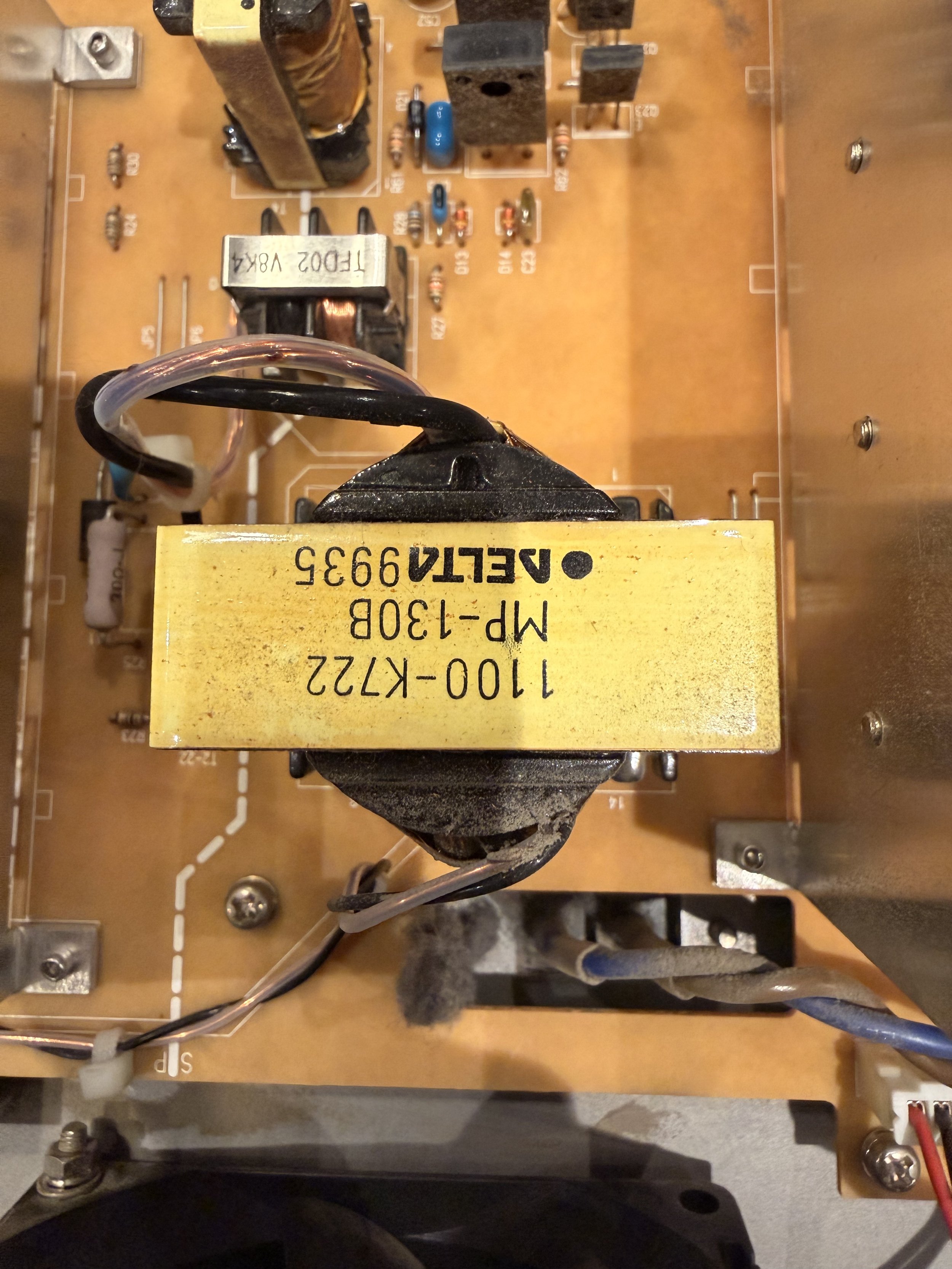
• high-frequency transformer isolation
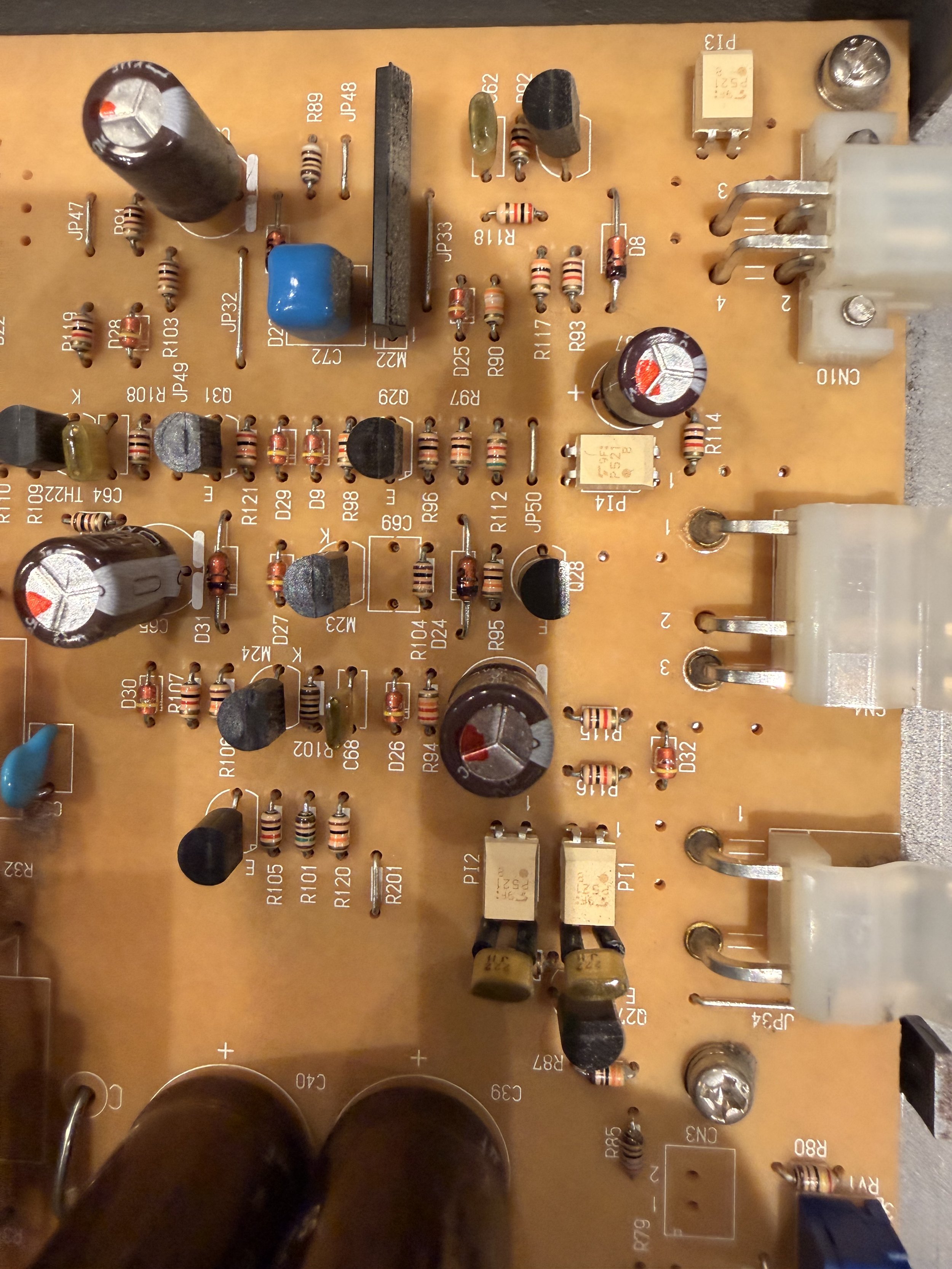
• PWM regulation control
• multi-stage output filtering
This architecture provides:
stable regulation under load
low ripple
efficient thermal performance
ideal for precision imaging workflows.
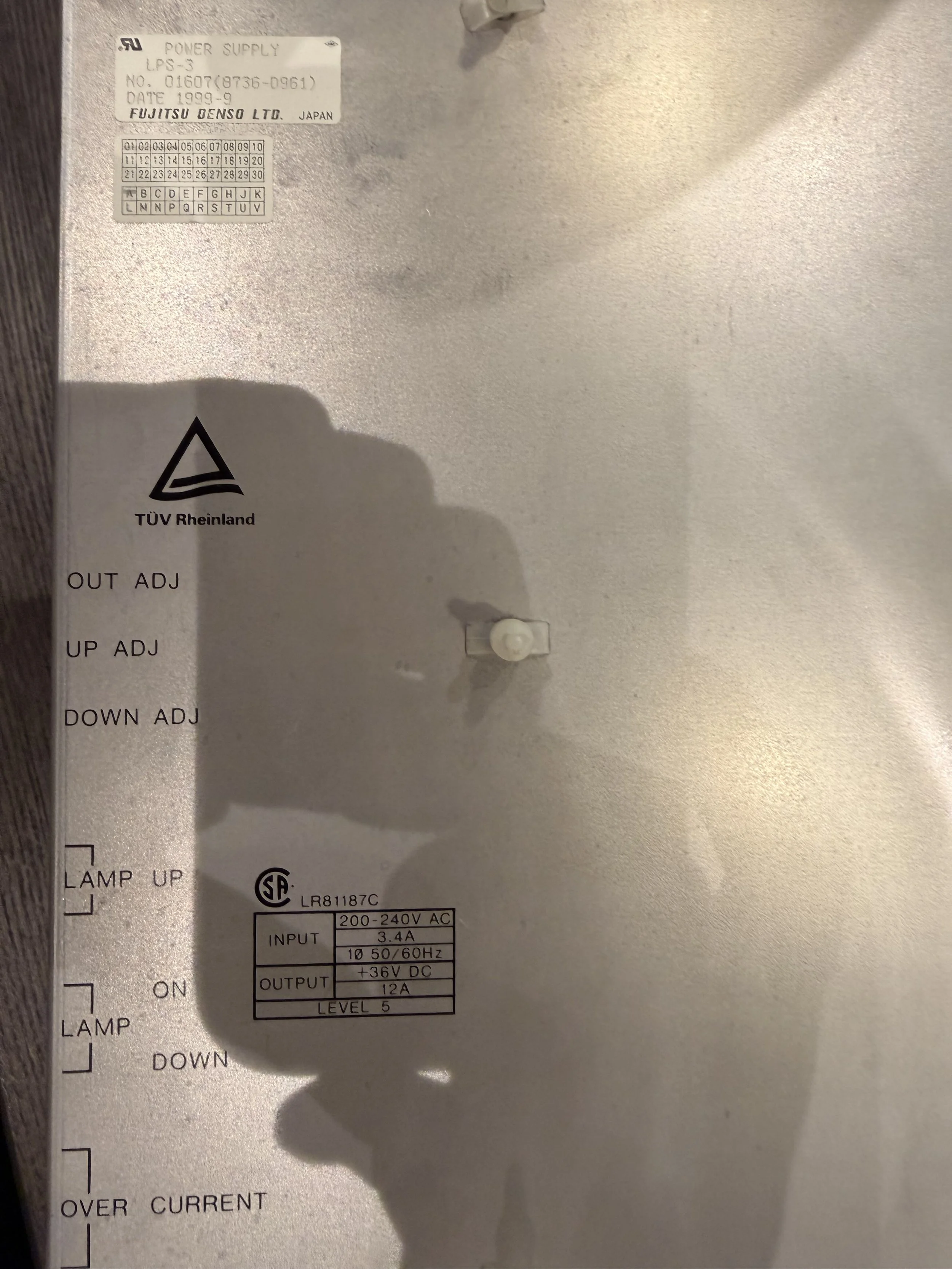
Functional Controls (external markings)
The enclosure provides adjustment and diagnostic access:
• OUT ADJ – fine voltage adjustment
• UP ADJ / DOWN ADJ – regulation trim
• LAMP UP / DOWN – lamp drive indication
• OVER CURRENT – protection status
typical of service-oriented lab hardware.
Typical Applications
The LPS-3 was designed for:
• Fujifilm Frontier scanners/minilabs
• lamp house power regulation
• industrial imaging systems
not intended for consumer use.
Build Quality
Typical characteristics:
• heavy steel enclosure
• large toroidal filtering stages
• industrial capacitors
• conservative thermal design
reflects late-90s Japanese industrial engineering standards.
Historical Context
The LPS-3 represents the generation of highly specialized OEM power supplies developed for professional minilabs during the peak of hybrid film-digital workflows.
Unlike generic supplies, these units were:
• custom-built
• rarely documented publicly
• serviced by replacement rather than repair
making surviving examples increasingly rare.